
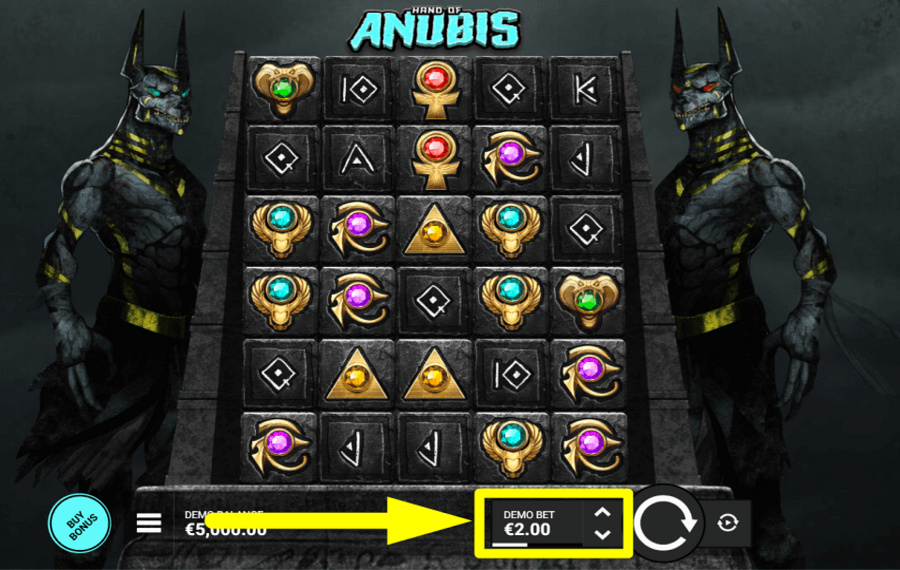
In the serene, often frustrating, world of a British golf club, few things are as universally bemoaned as the slow foursome ahead, turning a brisk round into a five-hour odyssey handofanubis.co.uk. As we wait on the tee, watching the distant group meticulously search for a lost ball in the gorse, our minds wander. Increasingly, they wander not just to the nineteenth hole, but to the digital escape offered by our smartphones. This is where the worlds of leisurely sport and online entertainment unexpectedly converge. For many UK golfers caught in these delays, the Hand of Anubis slot game has emerged as a compelling companion. This phenomenon speaks to a broader cultural shift, where the patience required for the green is mirrored by the anticipation built within a well-designed slot’s bonus rounds. We find ourselves exploring a curious parallel: the strategic pacing of a rewarding golf shot and the engaging mechanics of a popular online game, both offering their own unique form of suspense and potential reward during otherwise idle moments.
The Tempo Challenge on UK Courses
The problem of sluggish rounds is thoroughly embedded in the tradition of UK golf. From the traditional seaside courses of Scotland to the inland layouts of the Home Counties, rounds that go over four and a half hours are growing increasingly common, frustrating players of all handicaps. The factors are multifaceted, ranging from overcrowded tee sheets as the game enjoys a post-pandemic resurgence, to insufficient understanding or enforcement of ready-golf principles. Additionally, the increasing difficulty of contemporary course designs, with severe rough and fast greens, predictably hinders the typical golfer. This crowding creates a chain reaction; one sluggish fourball can hold up the whole layout, transforming an enjoyable hobby into a trial of tolerance. For each player, this downtime is not merely an inconvenience but a disruption to the rhythm and pleasure of golf. In these lengthy gaps, on tees and the landing areas across the country, that players are searching for entertainment, reaching for their mobile devices to occupy the moments between shots.
Helpful Suggestions for Managing On-Course Waits
While mobile gaming is one approach, managing slow play proactively can enhance the overall golfing outing. We advocate for a balanced method that preserves the traditions of the game while recognising modern realities. Firstly, always play “ready golf” within your group—play when ready, provided it is safe, rather than strictly adhering to the honour system. Be prepared for your shot before it is your turn; have your yardage, club selection, and strategy decided while others are playing. If a clear gap opens ahead, politely invite the group behind to play through; it reduces pressure and is a cornerstone of golf etiquette. To effectively make use of waiting time, consider these activities:
- Use a golf app to examine your performance on previous holes, noting patterns in your play.
- Do gentle stretches or mobility exercises to stay loose and prevent injury.
- Drink water and have a snack to maintain energy levels.
- Enjoy brief, positive conversation with playing partners to keep the mood light.
- If you choose to play a game like Hand of Anubis, ensure your phone is on silent and be ready to step away immediately when it’s your turn to play.
The Broader Impact on UK Golf Culture
The incorporation of mobile entertainment like the Hand of Anubis slot into the golfing practice mirrors a wider transformation within UK golf culture. The game, while steeped in history and strict etiquette, is not exempt to societal changes propelled by technology. Clubs are more and more acknowledging the need to tackle pace of play not just through monitoring, but by comprehending modern expectations. Some are implementing technology solutions like GPS-enabled pace tracking on buggies or apps that notify groups if they fall behind. The existence of phones on course is now largely tolerated, shifting the cultural norms. This doesn’t signify a reduction in respect for the game, but rather an adaptation. The essential values of integrity, respect, and sportsmanship remain, but the ways in which players fill the interstitial moments of a round are updating. This cultural shift is rendering the game more reachable and less intimidating for new players, who might appreciate a recognisable digital comfort during the inherent waits.
On-the-Go Gaming: The Contemporary Golfer’s Course Companion
As smartphones have become ubiquitous, so too has their presence on the golf course. What was once viewed as a breach of etiquette is now often an accepted tool for verifying yardages, scoring, and, during inevitable delays, for entertainment. This shift has created a new frontier for engagement. The modern UK golfer, standing for the group ahead to clear, is just a tap away from a vast array of digital diversions. Online slots, in particular, have found a niche in these moments. Their design is perfectly suited to short, engaging bursts of activity that can be readily started and stopped—ideal for the variable pauses in a slow round. Games that provide rich themes, compelling graphics, and the promise of exciting features can seamlessly fill these idle minutes, offering a mental reset from the likely frustration of the wait. This on-the-go accessibility has turned the mobile phone from a mere communication device into a pocket-sized entertainment centre, directly impacting how leisure time, even within another leisure activity, is consumed.
Parallels Between Composure in Golf and Slot Play
At first glance, golf and online slot play seem diametrically opposed—one an outdoor skill-based sport, the other an indoor game of chance. Yet, for the UK audience engaging with both, a shared psychological thread emerges: the management of patience and expectation. Golf is a example in delayed gratification. It demands patience for the perfect shot, acceptance of bad breaks, and the focus to play one hole at a time despite previous errors. Similarly, a well-designed slot like Hand of Anubis is not about constant, immediate jackpots. It is about the patient accumulation of smaller wins, the expectation of triggering a bonus round, and the enjoyment of the journey rather than a sole focus on the destination. Both activities impart a form of resilience. On the course, a player remains composed for their turn and focuses on the process. In the game, a player appreciates the audiovisual spectacle and the mechanics, understanding that larger outcomes are rare. This mindset crossover is perhaps why slots can feel like a fitting, rather than jarring, interlude during a round.
The reason Hand of Anubis Connects During Delays
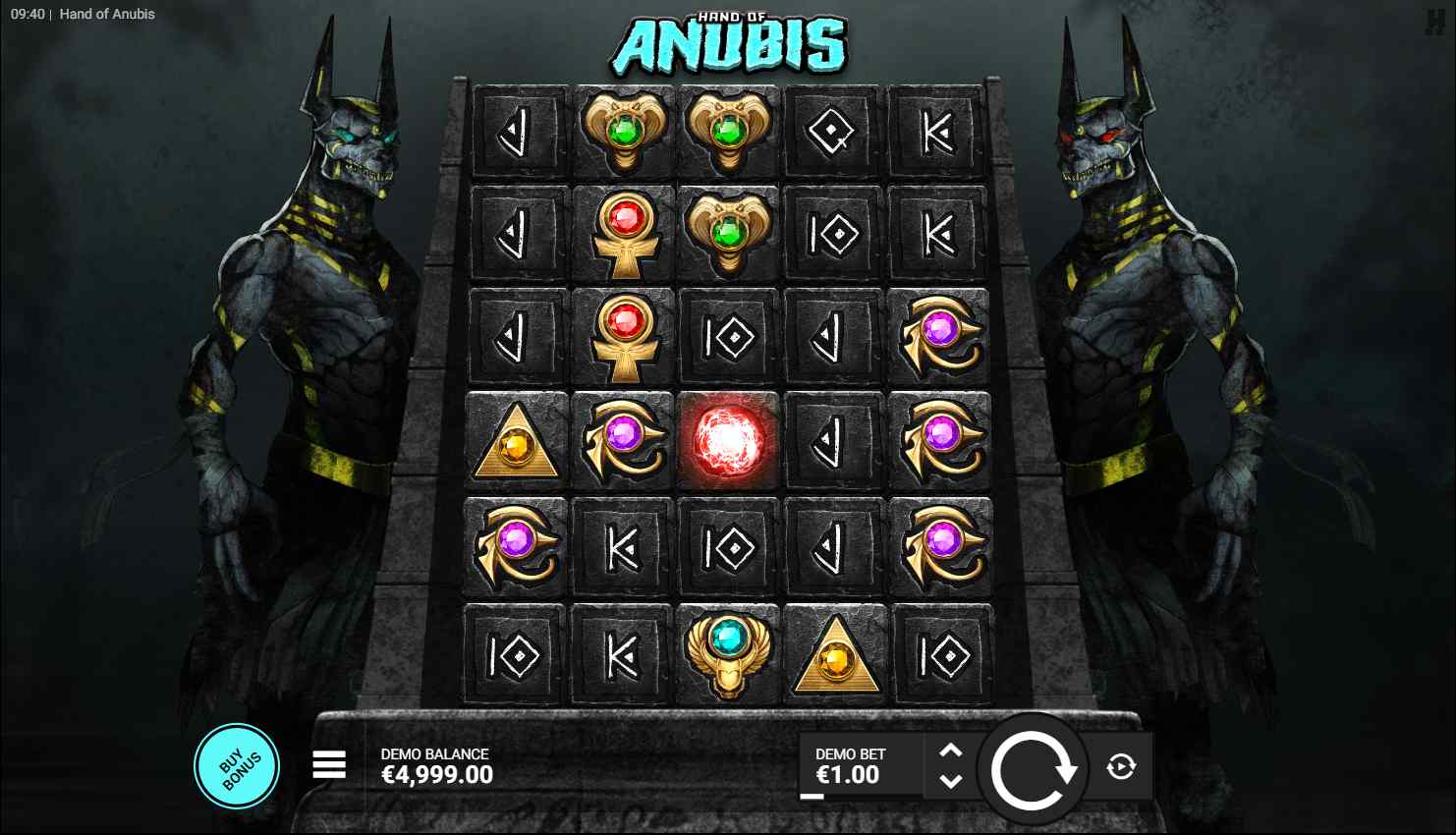
A distinct appeal of Hand of Anubis while waiting on a golf course lies in its perfect alignment with the needs of a player in that situation. Firstly, the game demands no long-term commitment; a player can get involved for the duration of a two-minute wait on a par-three tee box and then effortlessly put it away when it’s time to play. Second, the cascading wins mechanic delivers immediate, visceral feedback. Each cascade provides a small thrill, a micro-reward that counters the frustration of the delay. The theme also plays a role; the ancient Egyptian aesthetic provides a complete escape from the green vistas of the golf course, moving the player’s mind to a different world entirely. This mental break serves as refreshing, allowing a golfer to return to their game with a clearer head, possibly improving their next shot. Furthermore, the game’s potential for bonus features, like free spins or special symbol triggers, builds a compelling “what happens next?” narrative that makes the passage of time feel productive and entertaining, rather than wasted.

Unveiling Hand of Anubis: Setting and Main Mechanics
Among the myriad of options on offer, the Hand of Anubis slot shines, notably for its thematic depth and engaging mechanics. The game draws players into the enigmas of ancient Egypt, a enduringly popular theme in the UK gaming market. It revolves on the renowned god of the afterlife, Anubis, whose hand is shown as the primary mechanic for activating wins. The visual and sonic design is created to be immersive, pulling players into its cryptic world with symbols of scarabs, Ankhs, and the god himself. The core gameplay is constructed around a novel grid structure and cascading wins system, where symbols fall into place rather than rotating on reels. This mechanic ensures a single spin can lead in multiple consecutive wins as winning symbols disappear and new ones cascade down, forming a chain reaction of potential payouts. This cascading feature adds a energetic pace to the game itself, a rhythm of excitement and reward that can feel unexpectedly engaging during the stop-start nature of a slow golf round.
Mindful Gaming Aspects for Players
As we explore the combination of golf waits and slot play, a key consideration must be the concept of responsible gaming. Playing with games like Hand of Anubis should be viewed strictly as a kind of light entertainment during downtime, not as a primary activity. It is important to set clear limits before you start. Choose on a strict time or spend limit for your session—perhaps the span of one long wait or a small, affordable amount of fun money. Never chase losses, and see any winnings as a lucky bonus. The UK Gambling Commission regulates all licensed operators, ensuring games are fair and offer access to tools like deposit limits and self-exclusion. Remember, the main purpose on the course is to savor golf. The mobile game is merely a quick interlude. If you notice yourself pondering about slot play more than your golf swing, or if it impacts your enjoyment of the round or your finances, it is a clear sign to pull back and re-evaluate.
Final thoughts: Finding Harmony Between the Green and the Screen
The sight of a golfer on a UK course, looking between the distant flag and their smartphone, captures a modern leisure contrast. The slow play issue, while long-standing, has unintentionally created a space for digital engagement, with titles like the Hand of Anubis slot filling the void with their captivating, short-session design. This is not strictly a conflict but a contemporary adjustment. The challenge, and the opportunity, lies in establishing a healthy compromise. We can welcome tools and entertainments that enhance our patience and enjoyment during a slow round, while firmly upholding the traditions and etiquette that make golf a treasured sport. By calling for better pace management, adopting ready golf, and using waiting moments intelligently—whether for stretching, strategy, or a brief, responsible gaming session—we improve the experience. Ultimately, the goal remains the same: to savor our time outdoors, take on the challenge of the game, and return to the clubhouse with a sense of satisfaction, whether our memorable moment came from a birdie putt or a perfectly timed cascade of symbols on our screen.


